

Ask any Filipino where to eat, and Pampanga comes up almost immediately.
It’s a province that wears the title culinary capital of the Philippines without irony. Every town seems to have a carinderia, a kakanin house, or a family restaurant that’s been perfecting one dish for decades. A recent food trip through the Pampanga, led by a Kapampangan celebrity, Jean Garcia with her children, set out to prove exactly that: that behind the reputation is a living, working food culture passed down through families, still evolving today.
Here are five stops from that journey that capture what makes Pampanga’s food scene so distinct.
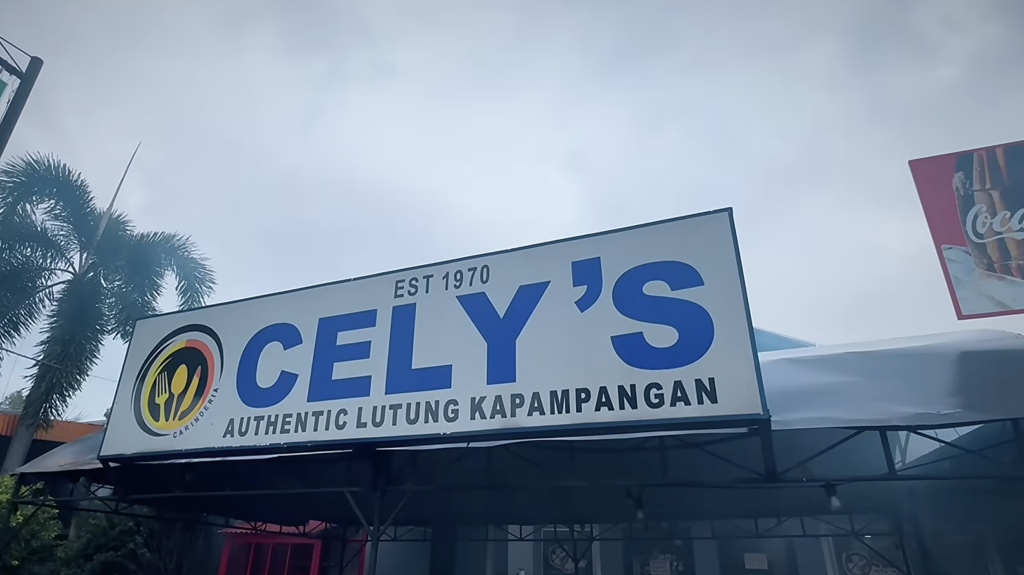
1. Cely’s Carinderia — The Original Since 1970
Tucked in San Fernando, Cely’s Carinderia has been serving straightforward, no-frills Kapampangan food since 1970. It’s a family operation through and through. Grace Soriano runs it today with her husband Michael and brother-in-law Frederick, continuing what Michael’s parents started two generations ago.
The bestsellers say a lot about Kapampangan cooking philosophy: a crab omelette made with hand-shredded crab meat, a sour-savory lagat paro (shrimp simmered with kamias), and kilayen, a vinegar-cooked pork dish that looks like dinuguan but is made without blood, giving it a lighter brown color and a cleaner taste.
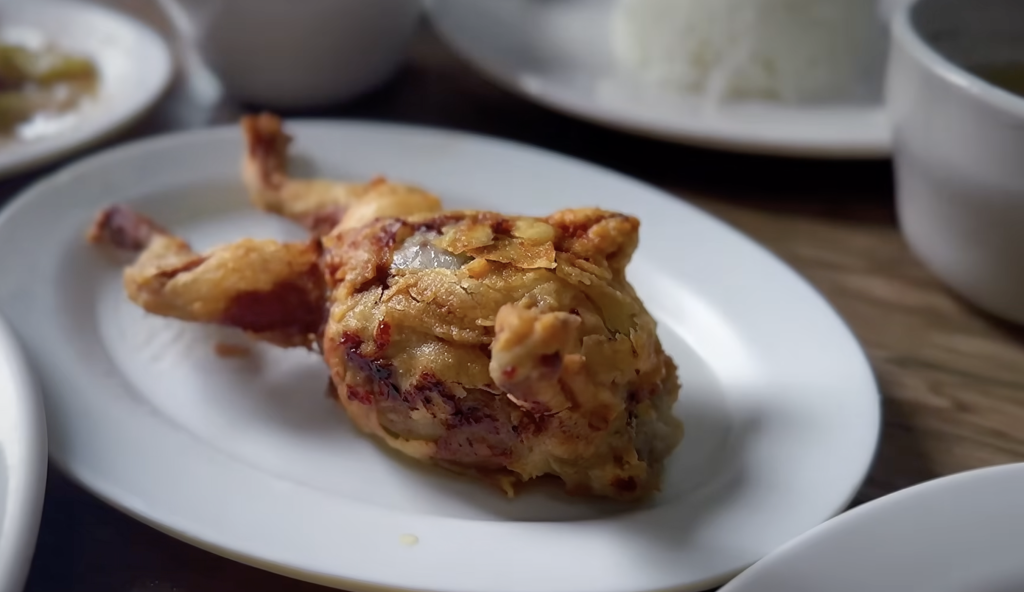
The real highlight of the visit was learning to cook batute, a stuffed frog dish that tastes closer to chicken than most people expect. Only farm-raised frogs are used, and the cooking starts with a very Kapampangan technique, sautéing onions before garlic, to keep the garlic from burning. The frog meat is minced by hand and mixed with ground pork before being stuffed and fried. Celie’s sells out so reliably that it often closes as early as 7 PM, a small but telling sign of how loyal its following is.
2. Apung Laring’s Kakanin and Tamales Since the ‘70s
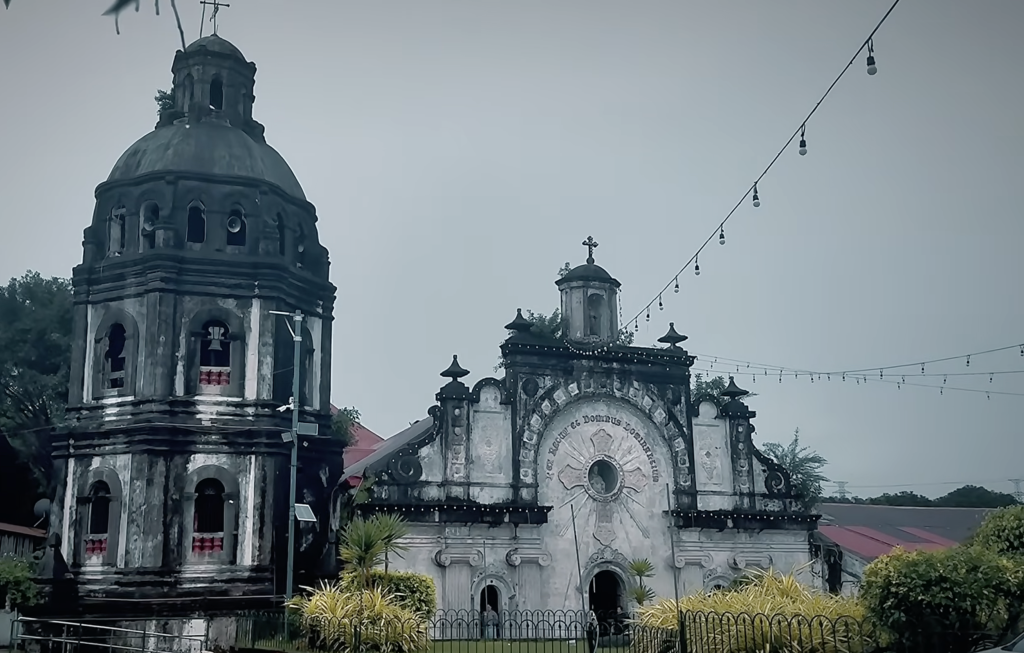
The trip continued to Bacolor, a town whose culinary identity is inseparable from its history. Before reaching the food, the group stopped at San Guillermo Church, built in 1576 and still half-buried in lahar from the 1991 Mount Pinatubo eruption — a striking reminder of how much this region has endured and rebuilt.
From there, it was on to Apong Laring’s Kakanin, widely regarded as home to the best tamales in Pampanga. These aren’t ordinary tamales, they’re made with pure coconut milk and layered with chicken, boiled eggs, and peanuts, then wrapped in banana leaves using a tying technique specifically designed to keep water out during cooking.
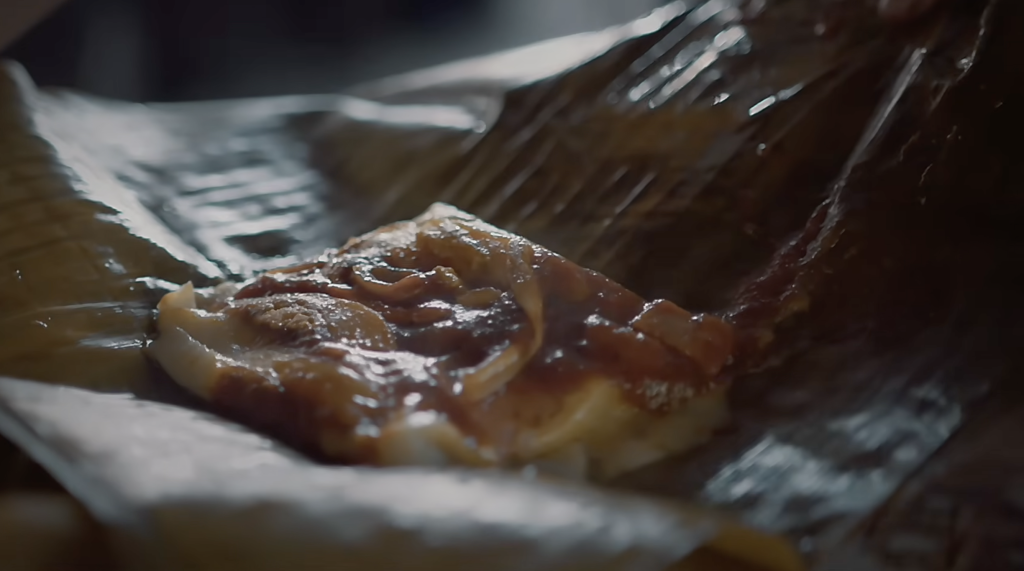
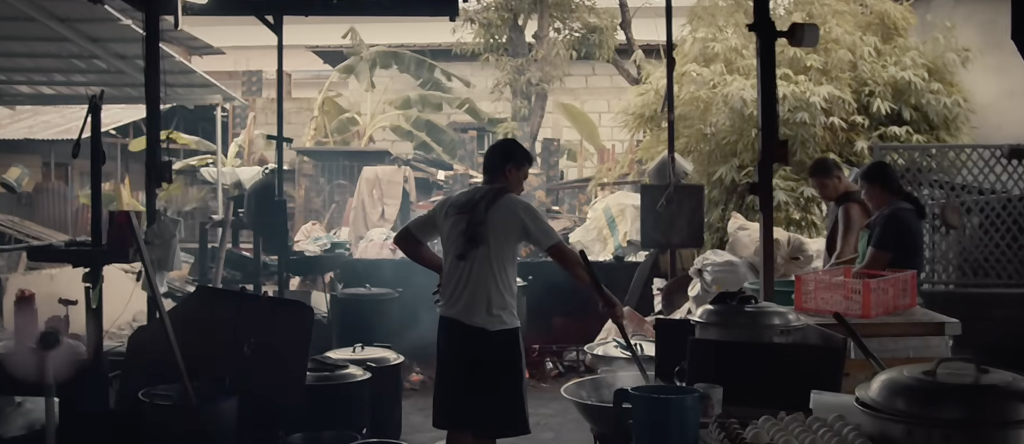
The process, from pounding the coconut to wrapping each piece, takes roughly 30 to 45 minutes before cooking even begins. It’s slow, deliberate work, and it shows. The tamales come out savory with just a hint of sweetness, substantial enough to be a full meal on their own. Apung Laring’s has been making them this way since the 1970s, and the communal nature of the process says as much about Kapampangan food culture as the taste does.
3. Barangay Restaurant: Home of Asadong Dila
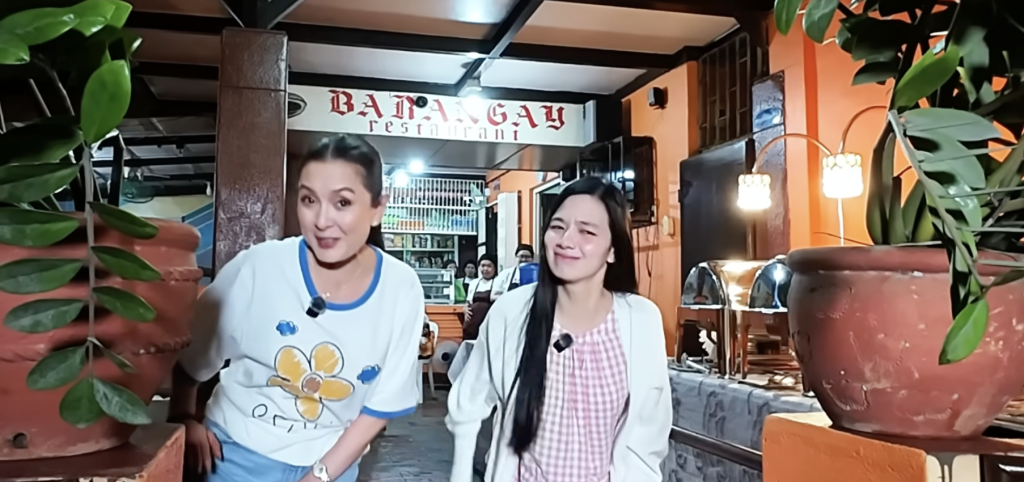
Barangay Restaurant carries over 50 years of history, starting life in Bacolor in the 1960s as Barangay Soda Fountain before growing into a full restaurant. Today, it’s run by Georgina Blanco, who inherited the business and now manages it alongside her siblings.
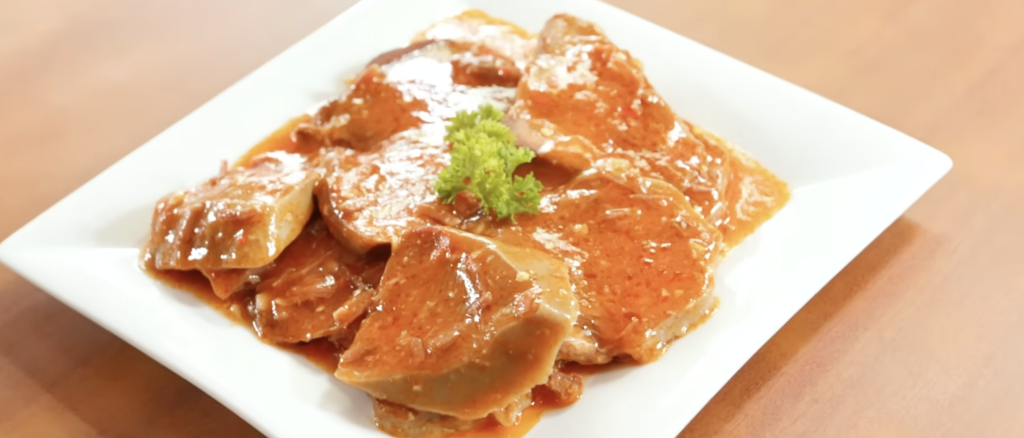
Its signature dish, asadong dila, braised pork tongue in a red sauce has been a budget-friendly favorite for generations, especially among students. When lahar forced the restaurant to relocate from Bacolor to San Fernando, the family kept the original recipes intact rather than cutting corners, even as costs rose. That commitment to consistency is likely why the restaurant still draws crowds from 9 AM to midnight, serving everything from breakfast to late-night pulutan.
4. Souq: Where Tradition Meets Modern Fusion
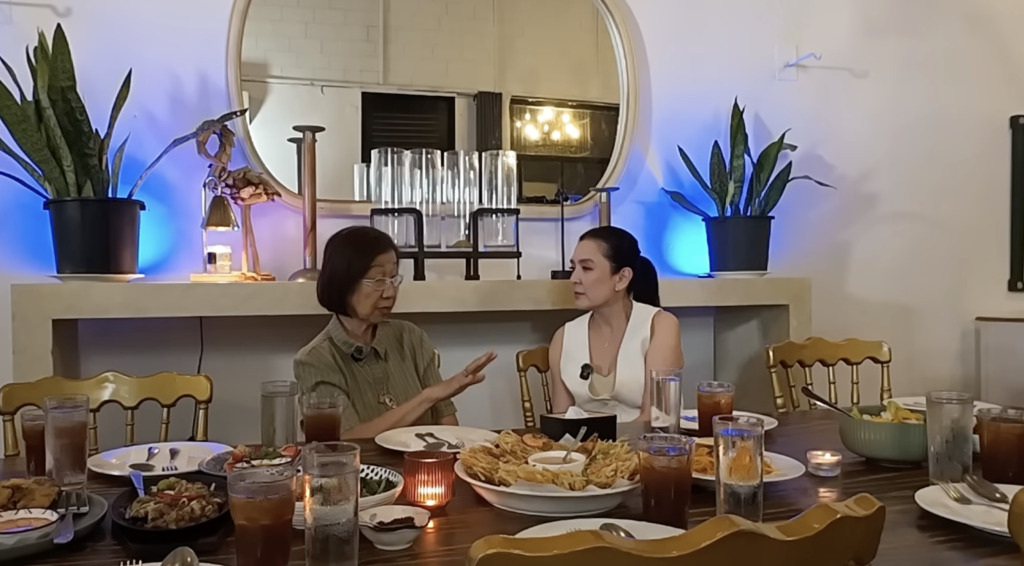
Souq takes its name from the Arabic word for “market,” and it’s a fitting one. This is Kapampangan food reimagined for a new generation, without losing its roots. The marketplace format gives local food entrepreneurs a professional platform to innovate while still working within tradition.
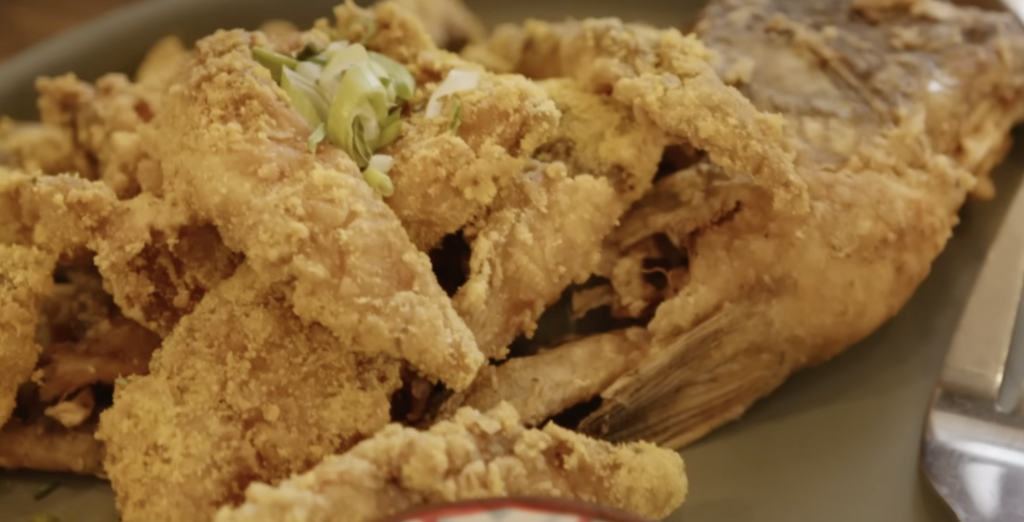
It’s here that the complexity of Kapampangan cooking really comes into focus. Vinegar-based dishes like paksiw and asado demand patience, multiple cooking cycles and precise seasoning that reflect a near-ritualistic approach to flavor. Some of these techniques trace back to Bacolor’s history as a former capital. Souq’s menu leans into classics done well: okoy (shrimp fritters) made generously without cheap fillers, crispy salted egg tilapia, and a caldereta slow-cooked for four hours. The visit included tasting eleven different dishes — a fitting way to showcase just how much range exists within Kapampangan cuisine.

5. Fun Side Ningnangan: Burong Hipon and the Grill
The trip closed on a high note at Fun Side Ningnangan, where Chef Carlo, with experience across multiple branches of San Romano since 2020, demonstrated burong hipon, fermented shrimp paired with mustard greens (mustasa) and prepared over the course of a full month to develop its flavor. The dish starts with a simple aromatic base of sautéed onions, garlic, and tomatoes before the fermented shrimp is added.
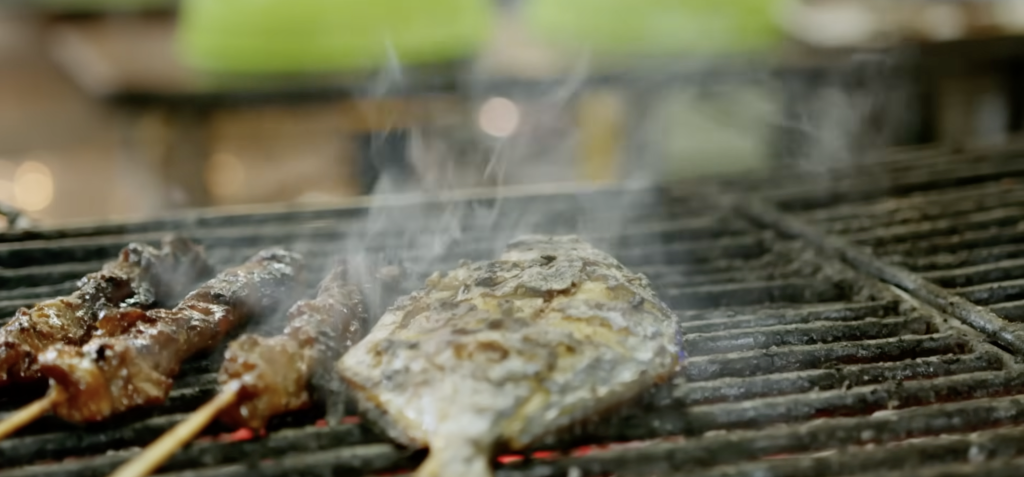
From there, the visit moved into a full grilling session, chicken, pork barbecue, and isaw, each cooked to a precise timing. What stood out just as much as the food was the team behind it: young staff like Albert, an Industrial Engineering student, and Chef Rachel, a cum laude Marketing graduate, both balancing their studies with restaurant work — a small but meaningful example of how the food industry supports young Kapampangans building their futures.
The Kapampangan Spirit
What ties these five stops together isn’t just geography, it’s a shared respect for process.
Whether it’s the hours spent perfecting a fermented shrimp paste, the careful wrapping of a tamales, or a sauce recipe kept unchanged through a relocation, Pampanga’s food scene treats cooking as inheritance. Family names show up on menus not as branding, but as a record of who taught whom. That’s what keeps drawing people back — and what makes the province’s claim to “culinary capital” hold up, stop after stop.